
A movement for dignity · Since 2013
On a mission to bring dignity to the cane fieldsfor the women and families who harvest India's sugar.
For over a decade we have walked beside the migrant families who cut Maharashtra's sugarcane, carrying healthcare, schooling and a fair wage into the camps the country forgets.
We go where the work is hardest, and we stay.
Change in these fields is not won in a single visit. It is won by returning, season after season, until a family's story bends a different way.
We fight
For a woman's right to work without risking her health. For a child's right to a classroom. We carry these demands to employers and to the state, and we do not let them go quiet.
We build
Health camps that reach the roadside. Bridge classes that travel with the families. Self-help groups that keep standing long after we have moved to the next village.
We change
Fair pay. Safe work. Land that finally pays for itself. One family at a time, we change what the harvest season is allowed to cost.
One family's year, and where we meet them.
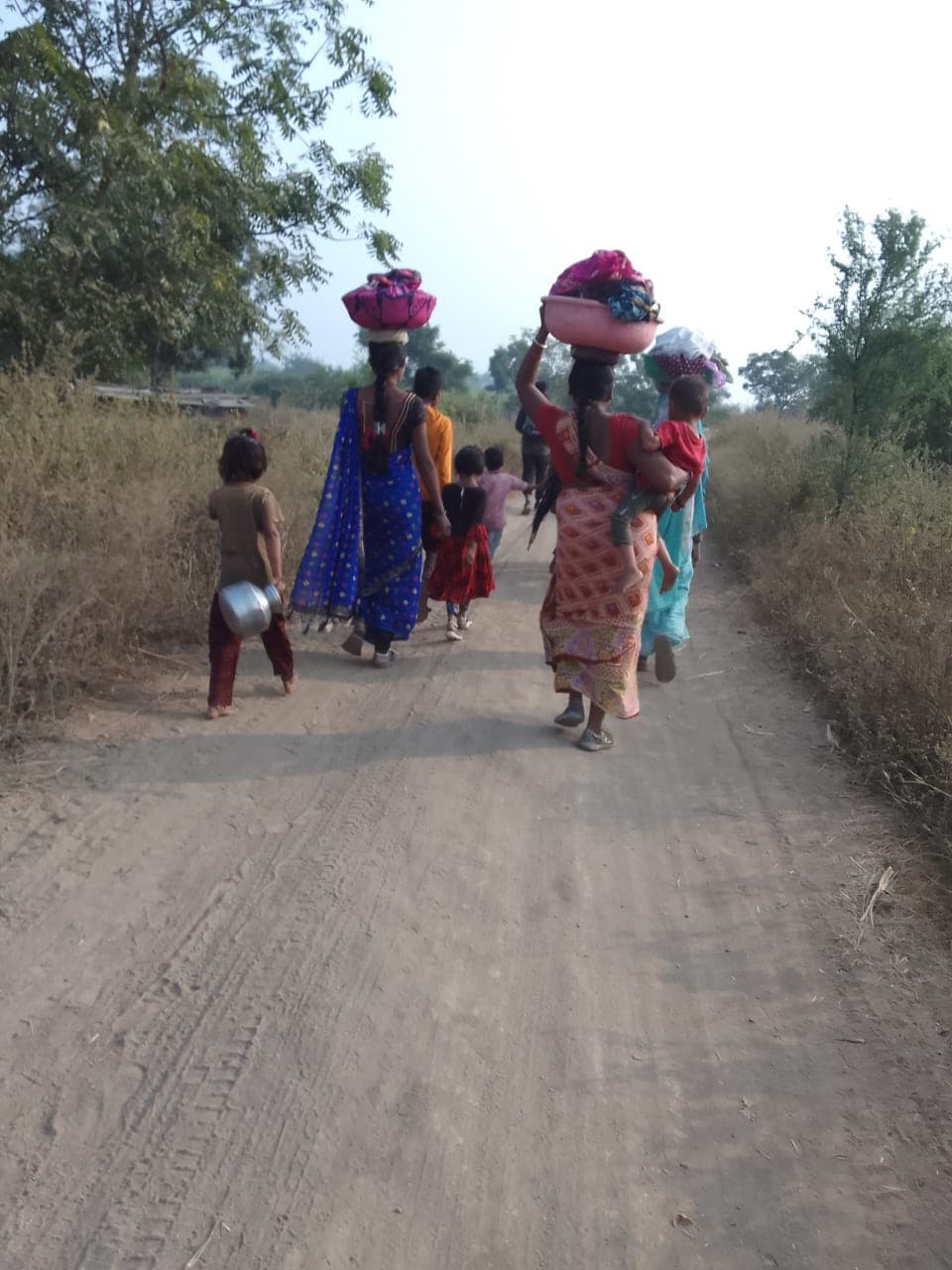
Every winter, thousands of families across Marathwada lock their doors and follow the cane. This is the road they walk, and the moments we walk it with them.
The season that empties a village
When the cane is ready, home is left behind. Whole families set out on foot and by tractor toward the mills, chasing six months of work far from everything they know.
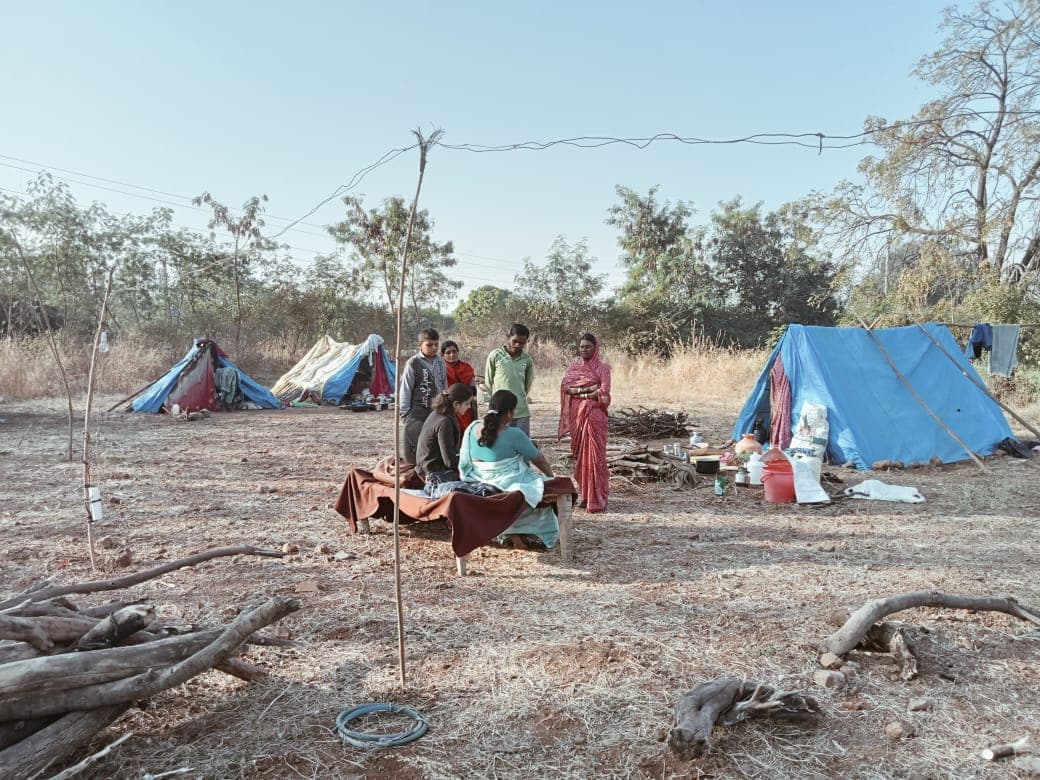
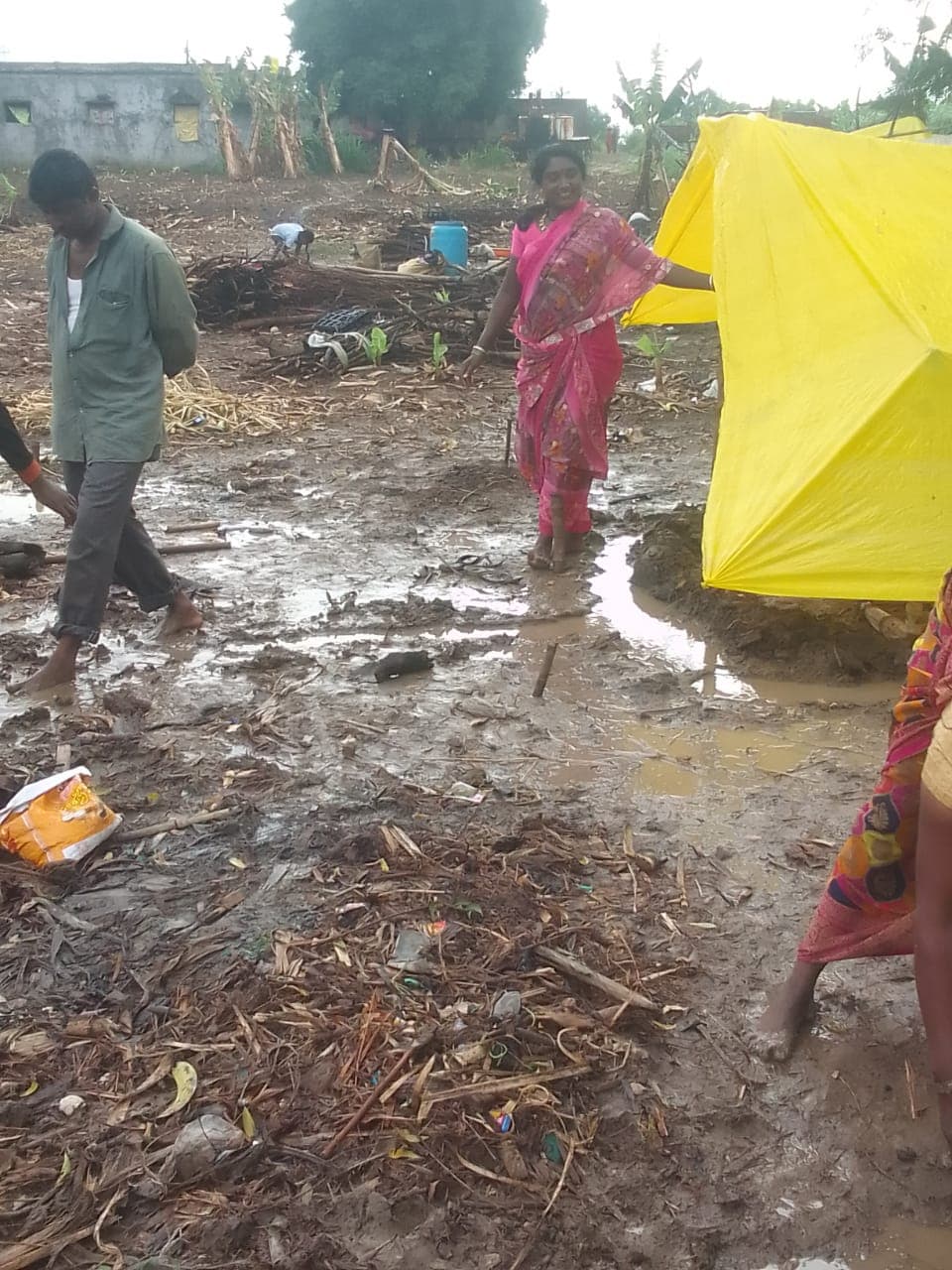
Home becomes a sheet of tarpaulin
They arrive to open ground beside the fields, no running water, no electricity, no toilets. A plastic tent will be home until the last stalk is cut.
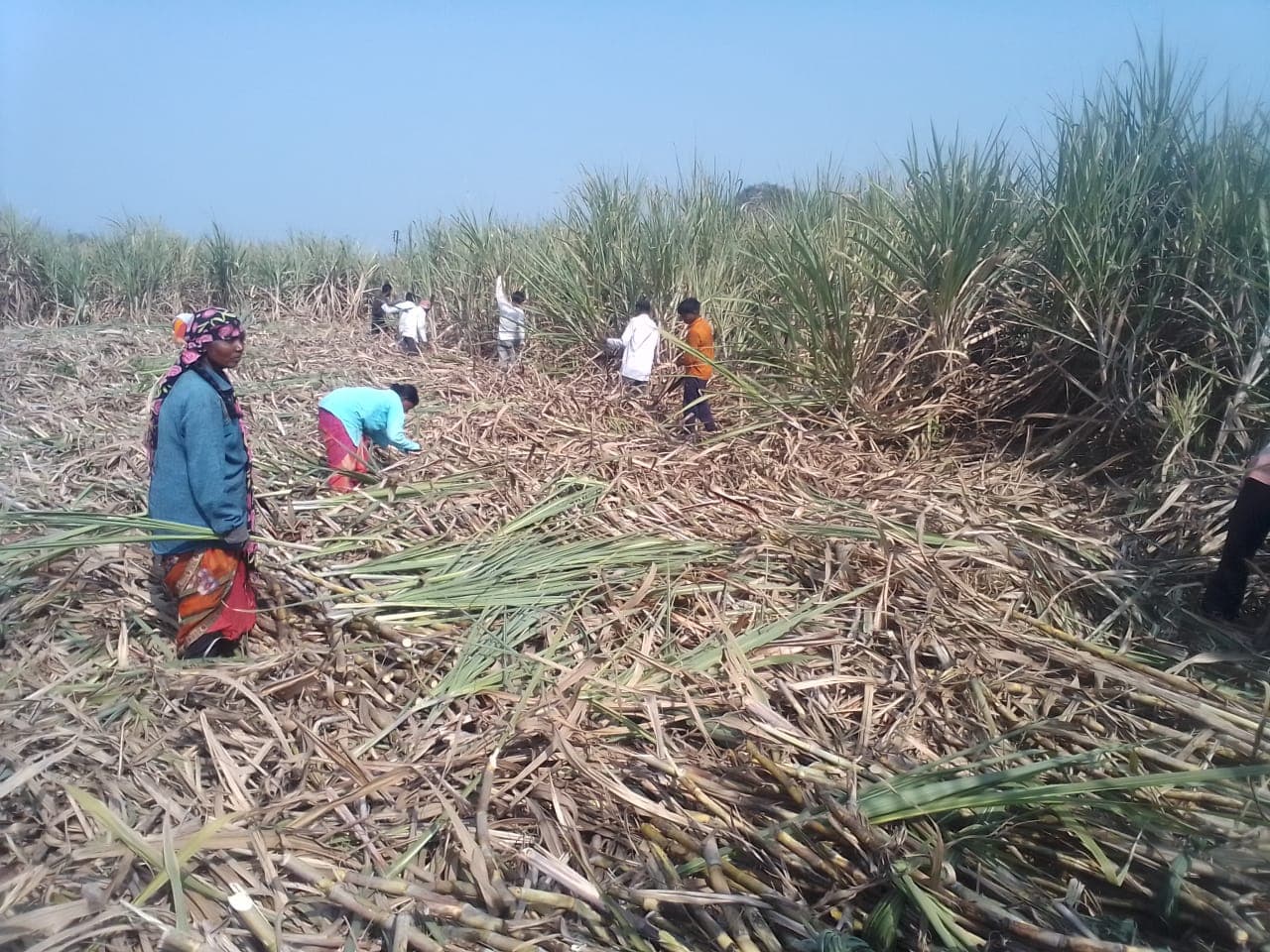
Bent to the earth for twelve hours
The work is relentless: cutting and hauling cane from dawn past dark. Women labour beside the men and carry more, with nowhere private to change, no childcare, no doctor within reach.
The classroom left behind
Children travel with their parents and fall months behind. Some study on a mat between the tents; too many never return to school at all. This is the cycle we work hardest to break.
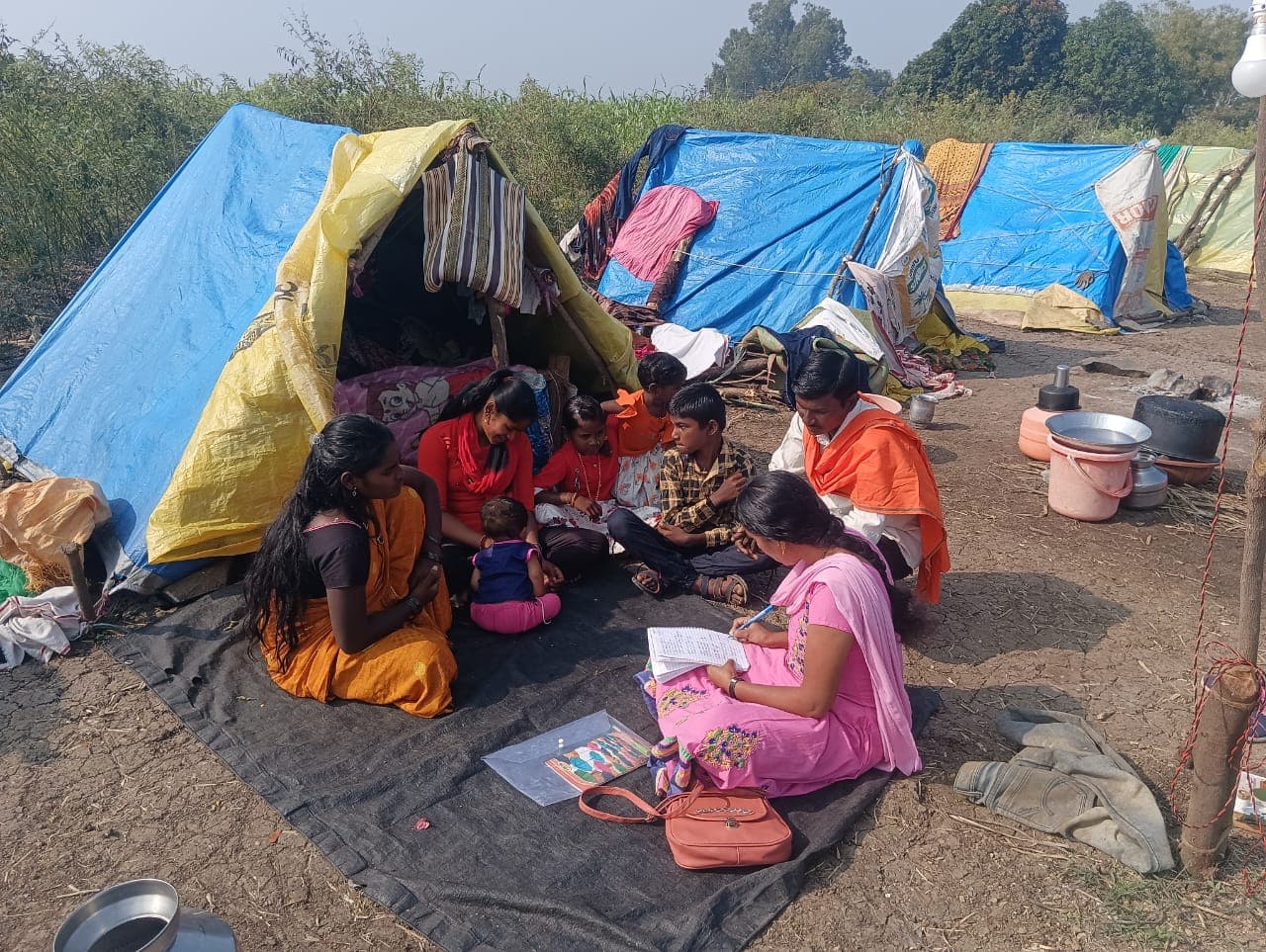
So we sit down with them
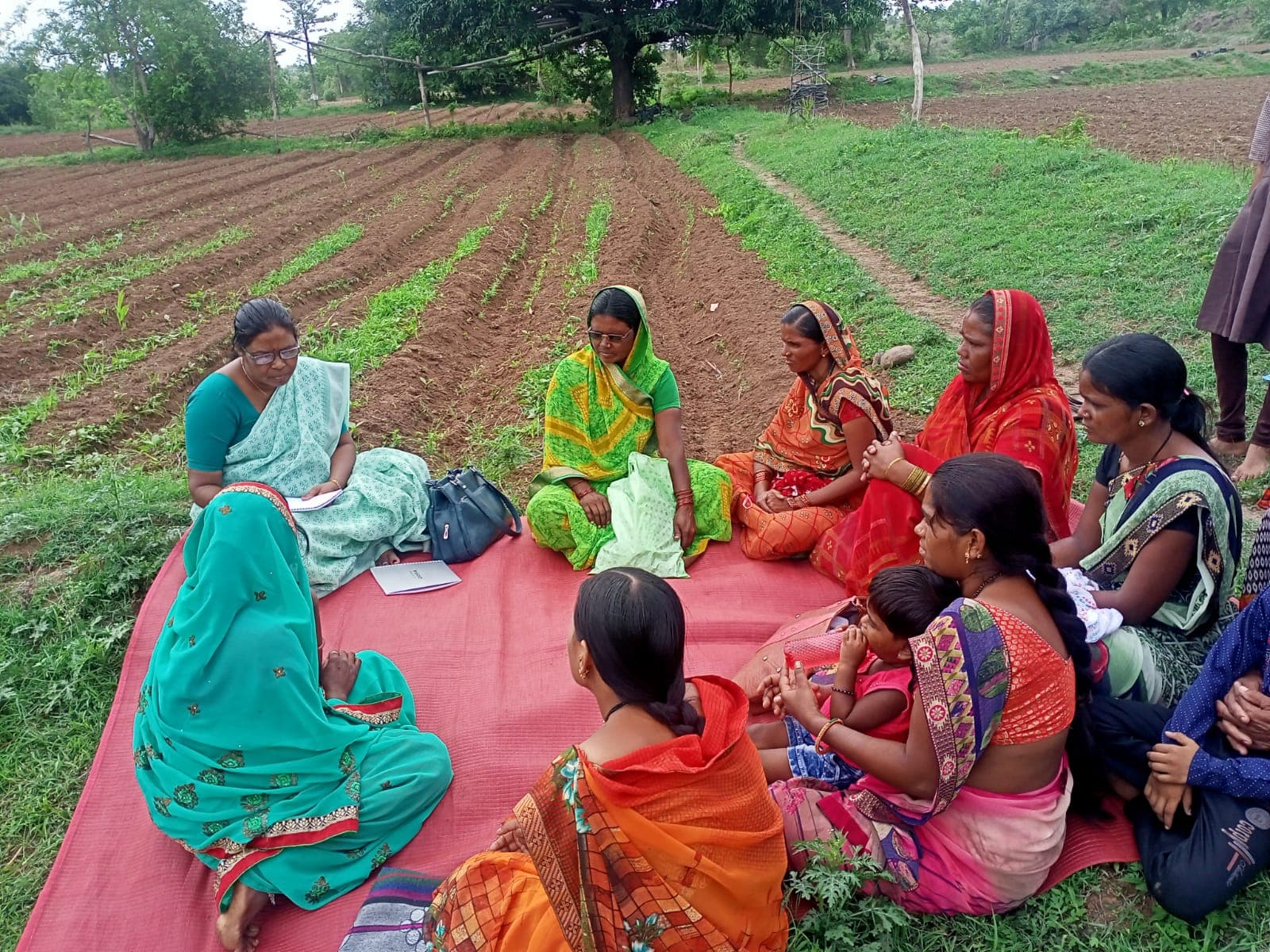
Under a tree at the field's edge, change begins as a conversation. Women form self-help groups, learn their rights, and decide together what has to change.
A season with a different ending
Fair wages negotiated. Health camps arriving before illness does. Children enrolled and staying. The road still runs to the mills, but the family walks it with far more in their hands.
This is not a handful of families. It is a migration.
Every harvest, an entire population leaves home to cut the country's sugar, and pays for it with their health, their children's schooling and their dignity. The numbers are documented, and they are staggering.
people are estimated to migrate every harvest season to cut Maharashtra's sugarcane
of them come from Beed district alone, a single district carrying the weight of the whole industry
women in one Beed survey of 82,309 had undergone a hysterectomy
of the surveyed migrant women in Beed had had their womb removed, around 12 times the national average
of women cane cutters had no toilet at their workplace
were left to use cloth rags during menstruation, with no clean facilities
Four fronts, one promise.
The hardship of the season is not one problem but many, tangled together. We meet each of them where it lands.
Every number here has a name.
We count carefully, and we count only what we have actually done. Behind each figure is a household we know by name.
women no longer forced to risk unsafe work
children returned to the classroom
families supported through floods and disaster
farmers earning more from the same land
women's self-help groups formed
household toilets supported for safety and dignity
women trained in new livelihoods
villages reached across the Marathwada region
The sugarcane workers' journey
Every year, thousands of families cross Maharashtra for the cane harvest. They live in makeshift camps by the roadside, no running water, no electricity, no proper toilets. The work is punishing: twelve-hour shifts under a hard sun, hauling heavy cane onto the trucks.
Women work alongside the men and carry the greater weight, no private space to change, no childcare, little chance of seeing a doctor. Their children miss school for months and slip behind their friends. When the harvest ends, the family packs up and moves to the next camp, and the next struggle begins.
We work to break that cycle, bringing healthcare, schooling and dignity directly to these families, and standing with them until the season costs them less.
Not stock photos. Our neighbours.
Every face here belongs to someone we work with in Parbhani, Hingoli and the districts around them.
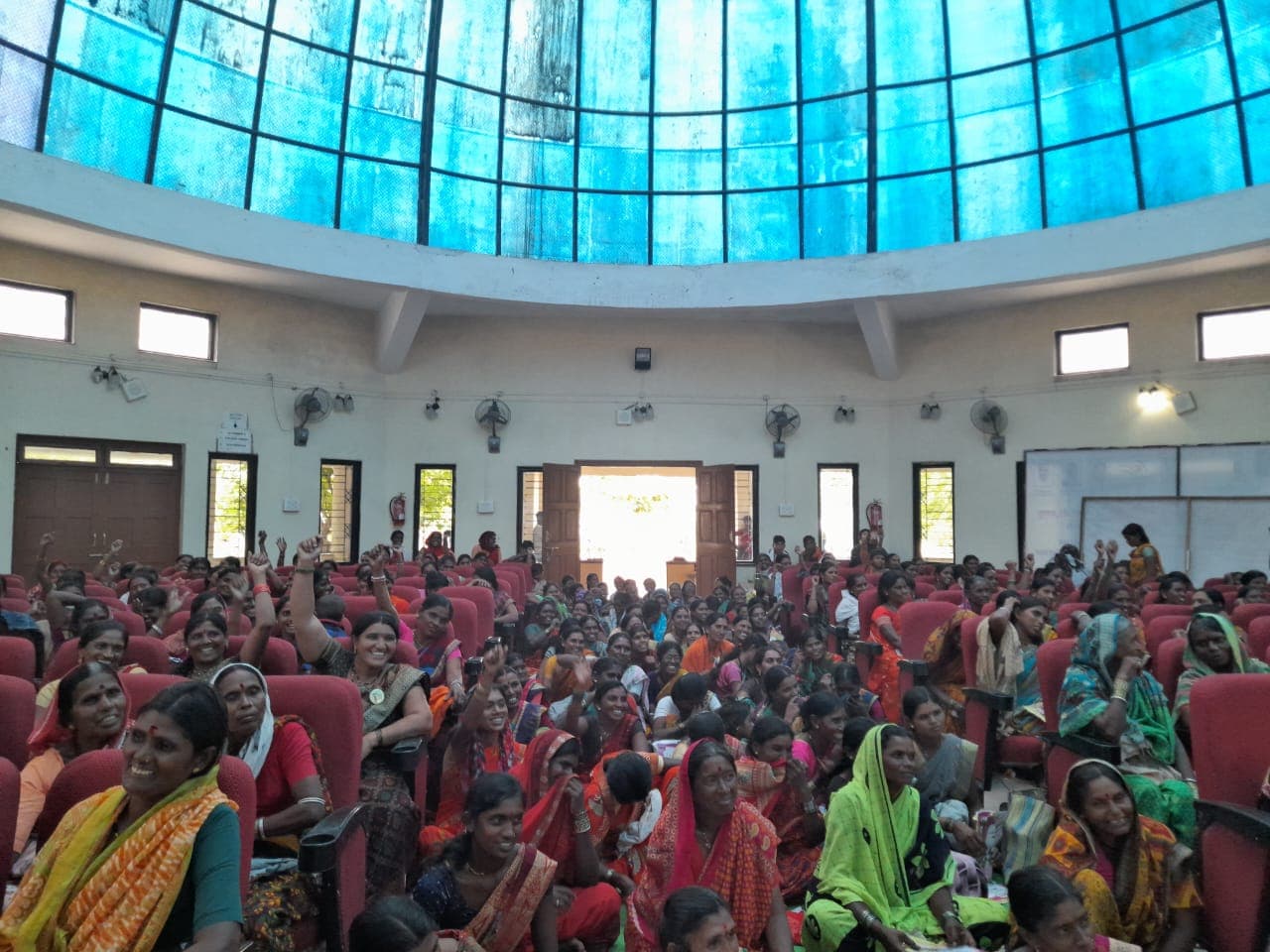
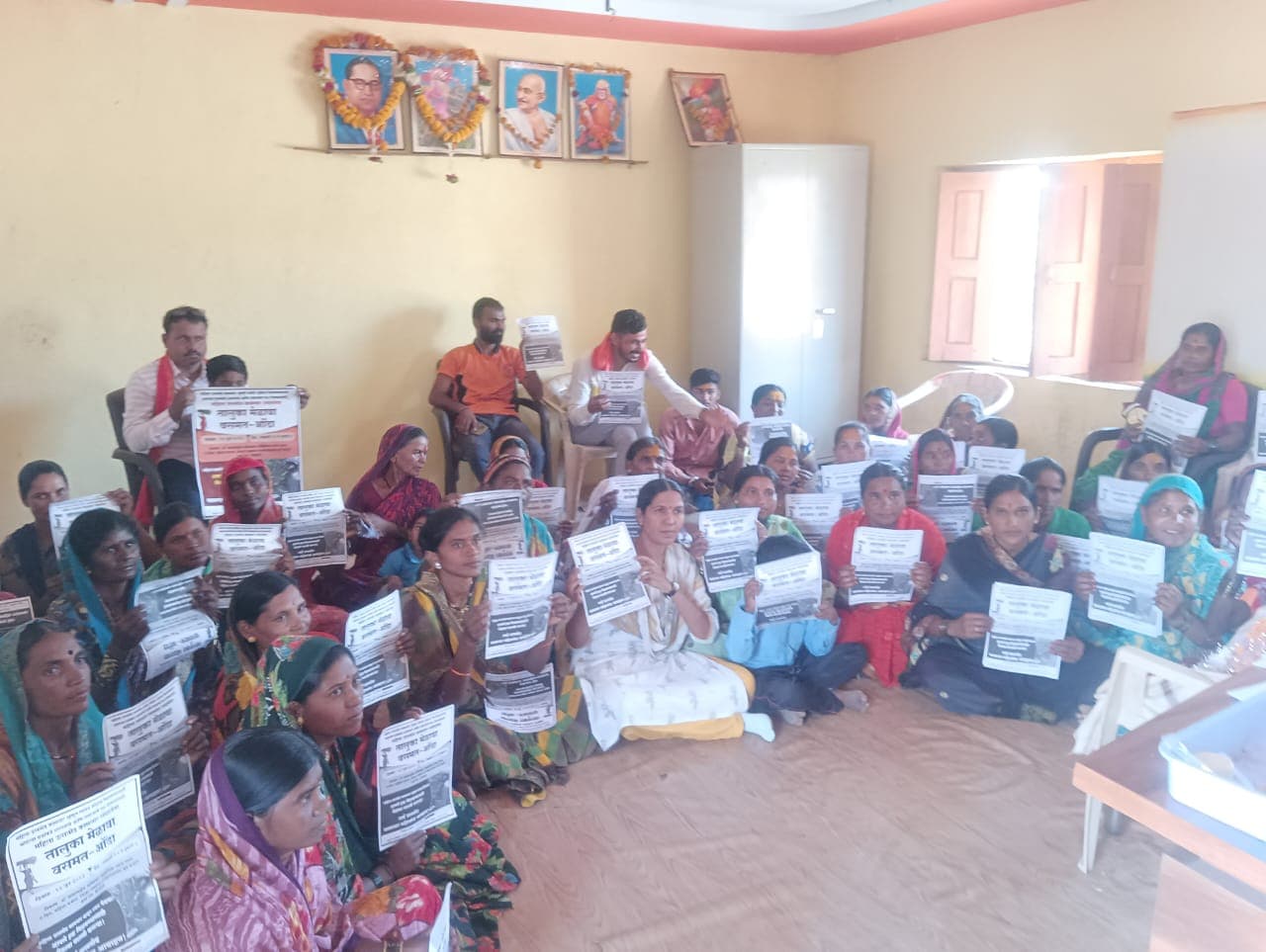
Hundreds of women gather for a rights and safety convention.
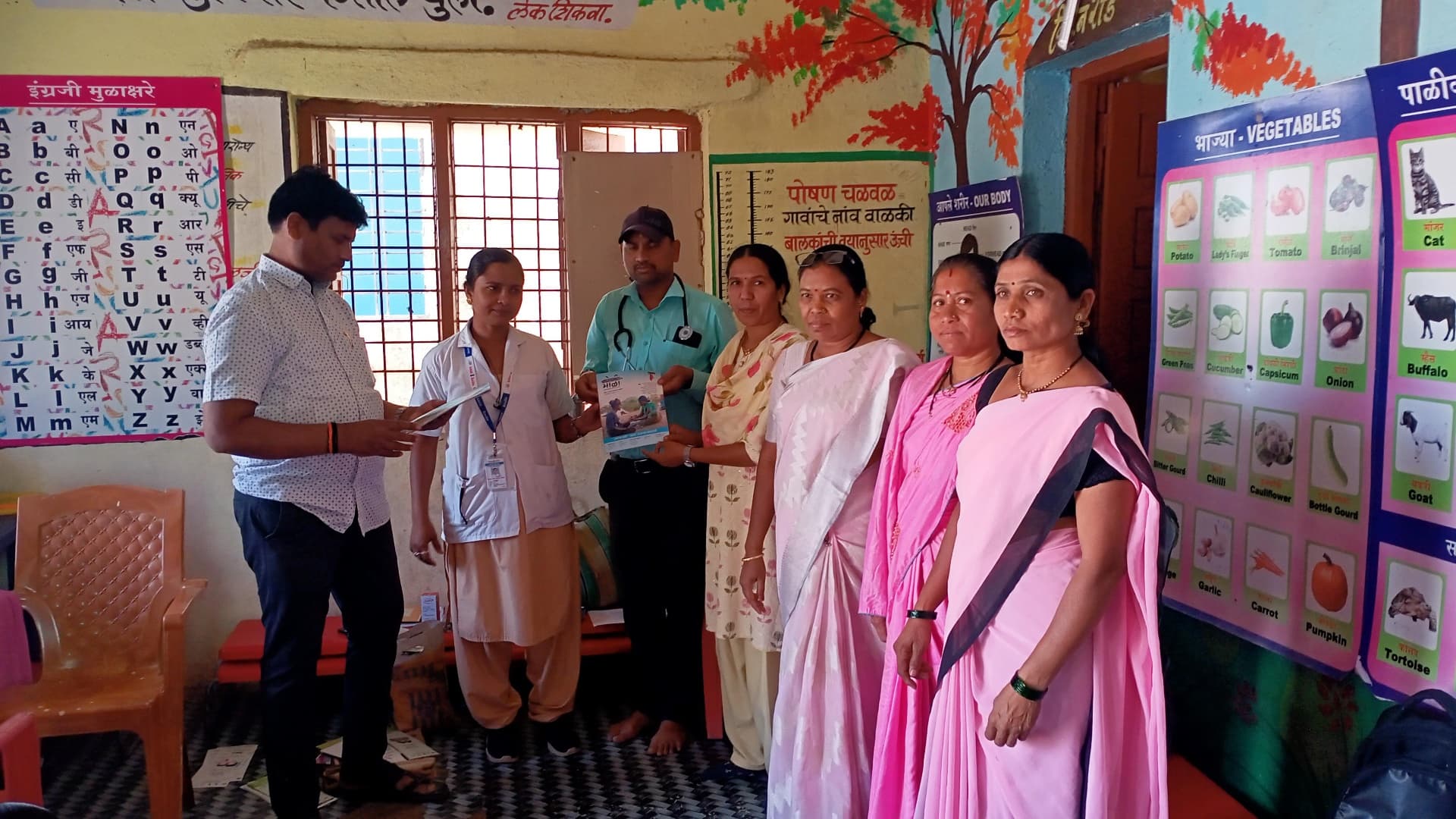
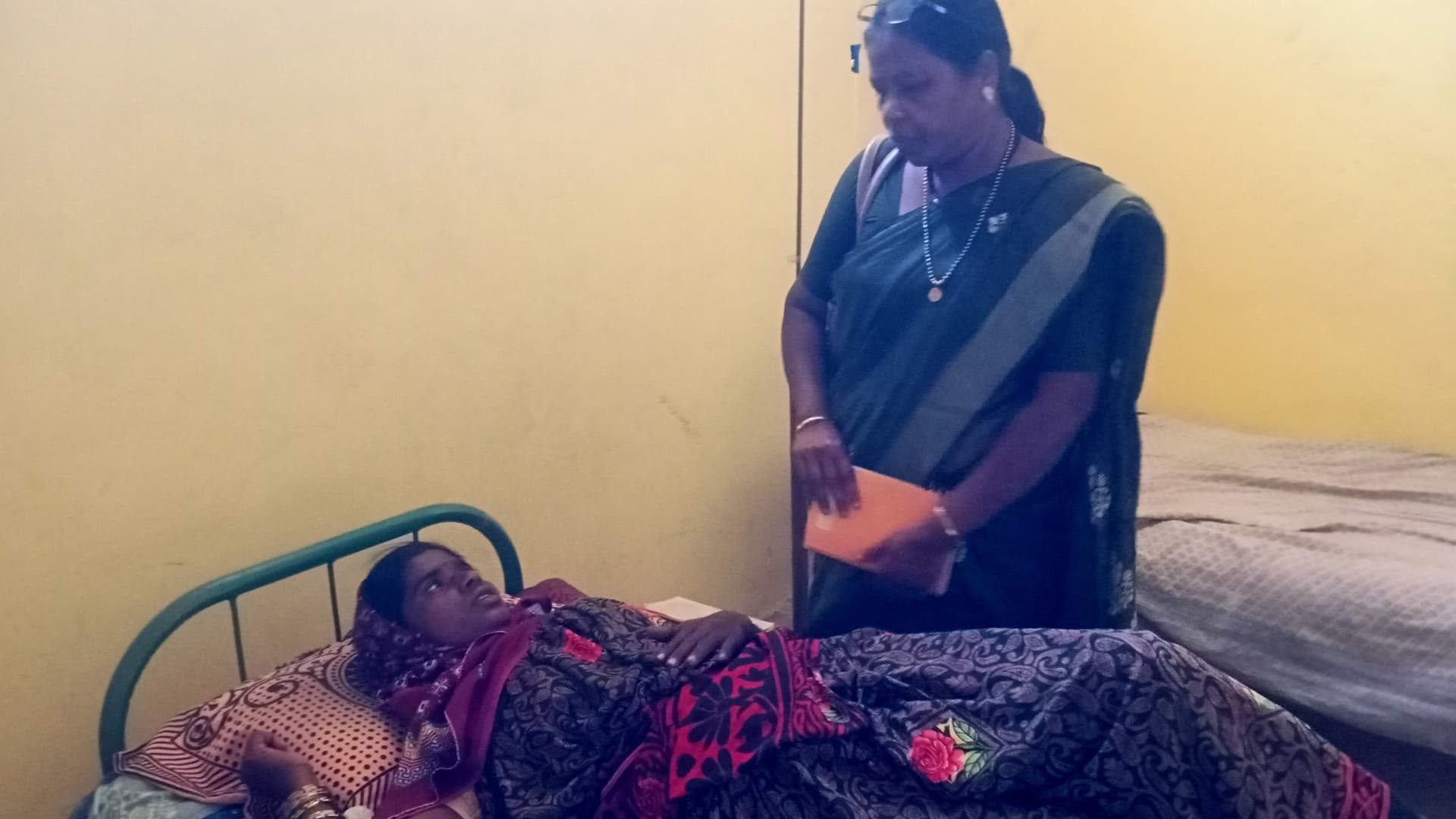
A visit to the primary health centre, with nutrition education for new mothers.
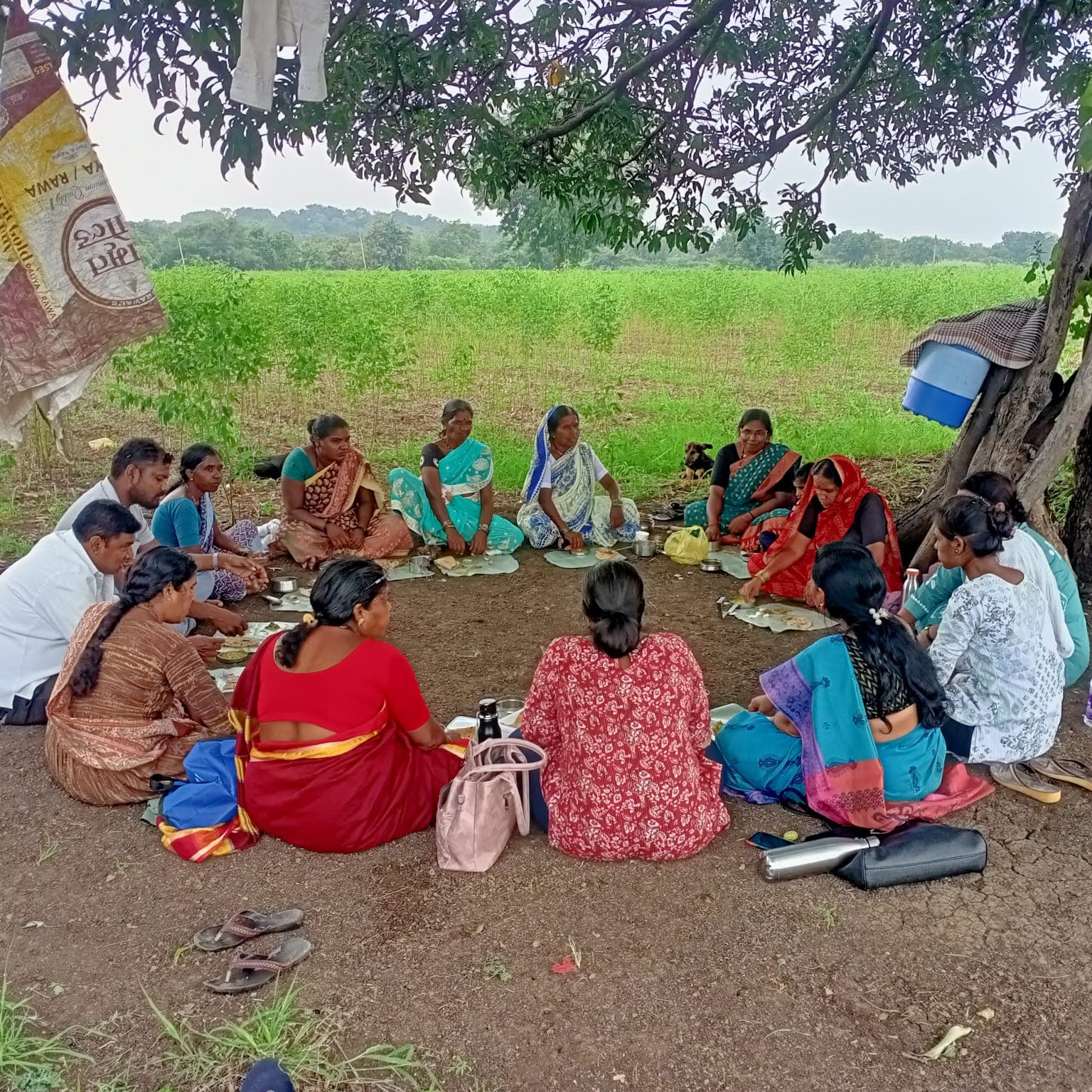
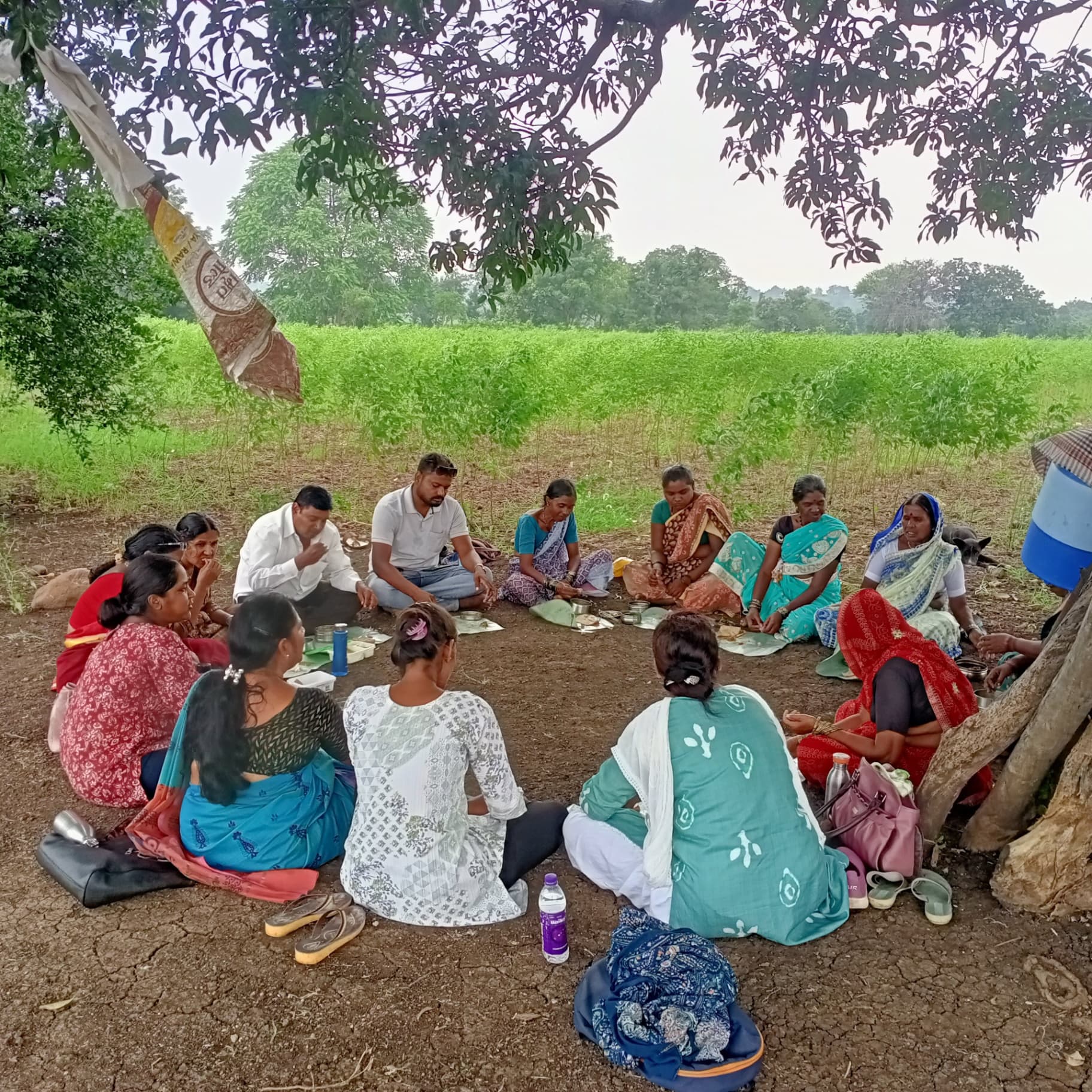
A self-help group meets in the shade at the field's edge.
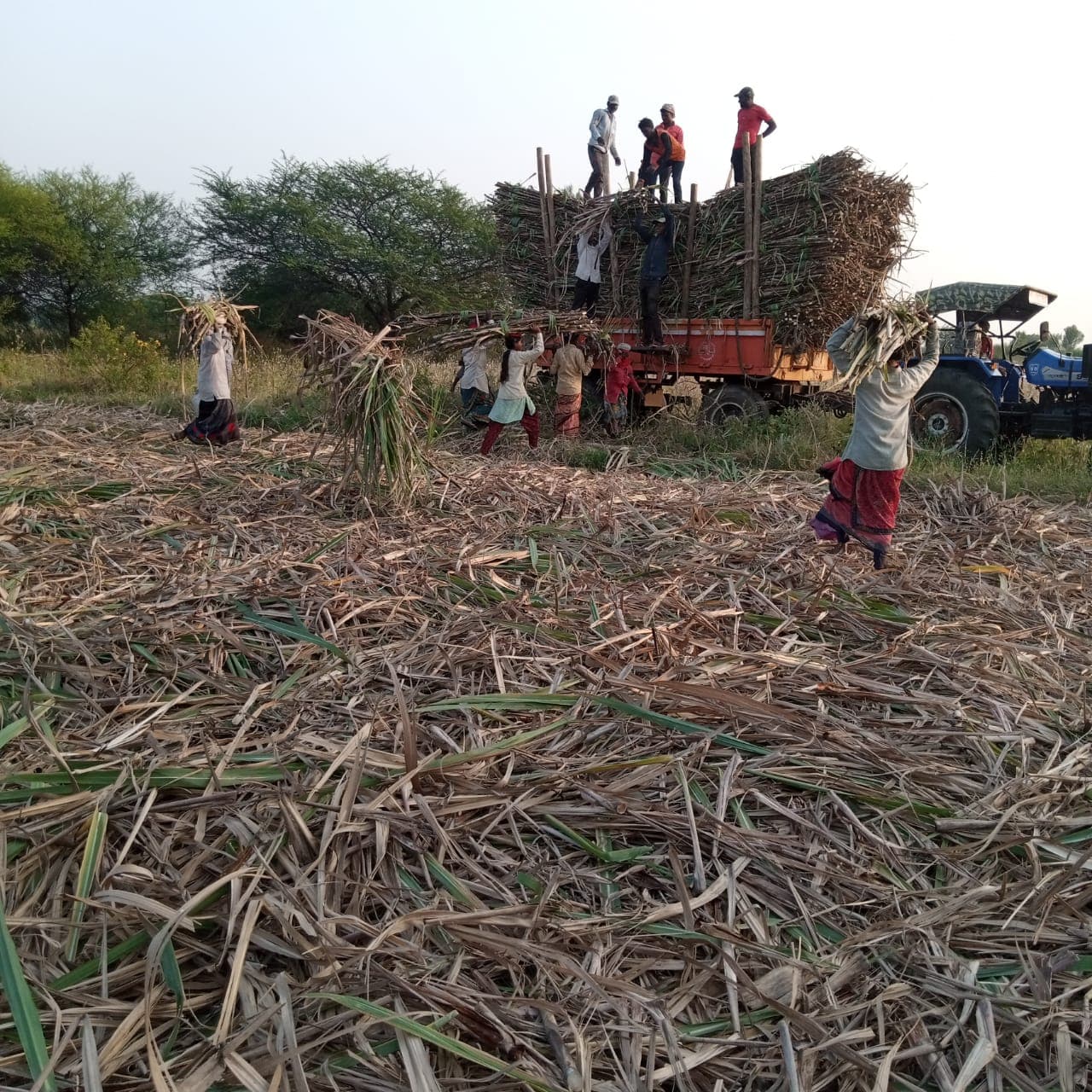
Loading cut cane onto the trucks bound for the mill.
Women receive certificates after a livelihoods training.
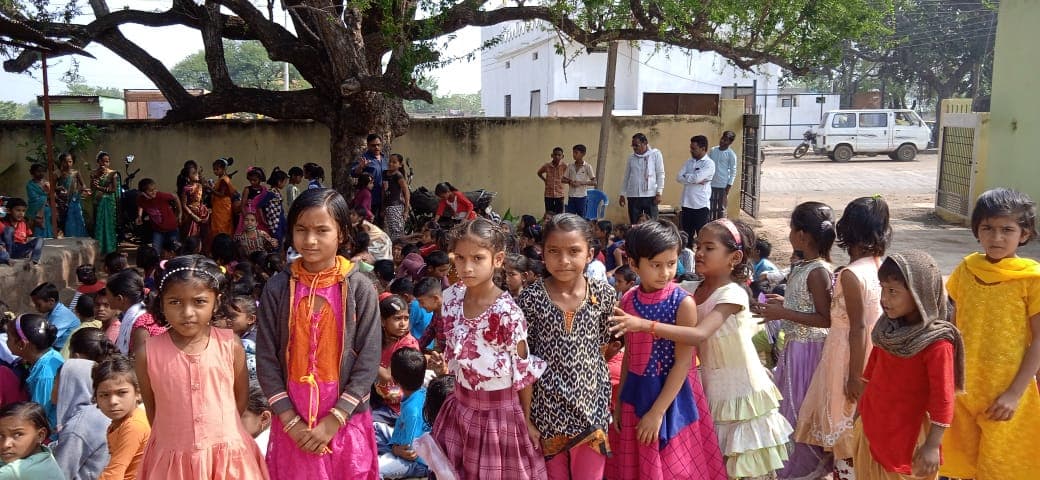
Children in the school courtyard we helped them return to.
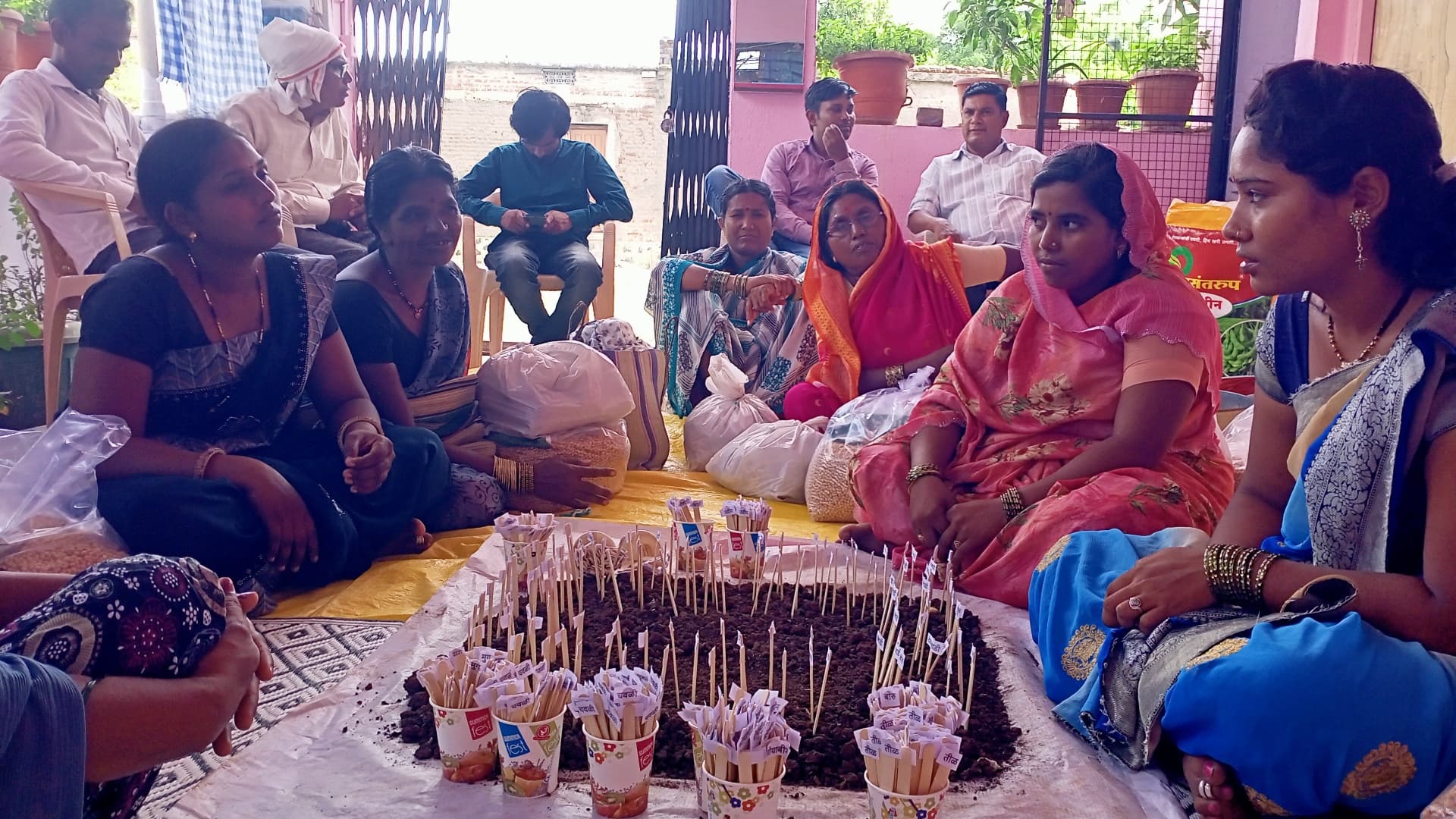
A community gathering during a village programme.
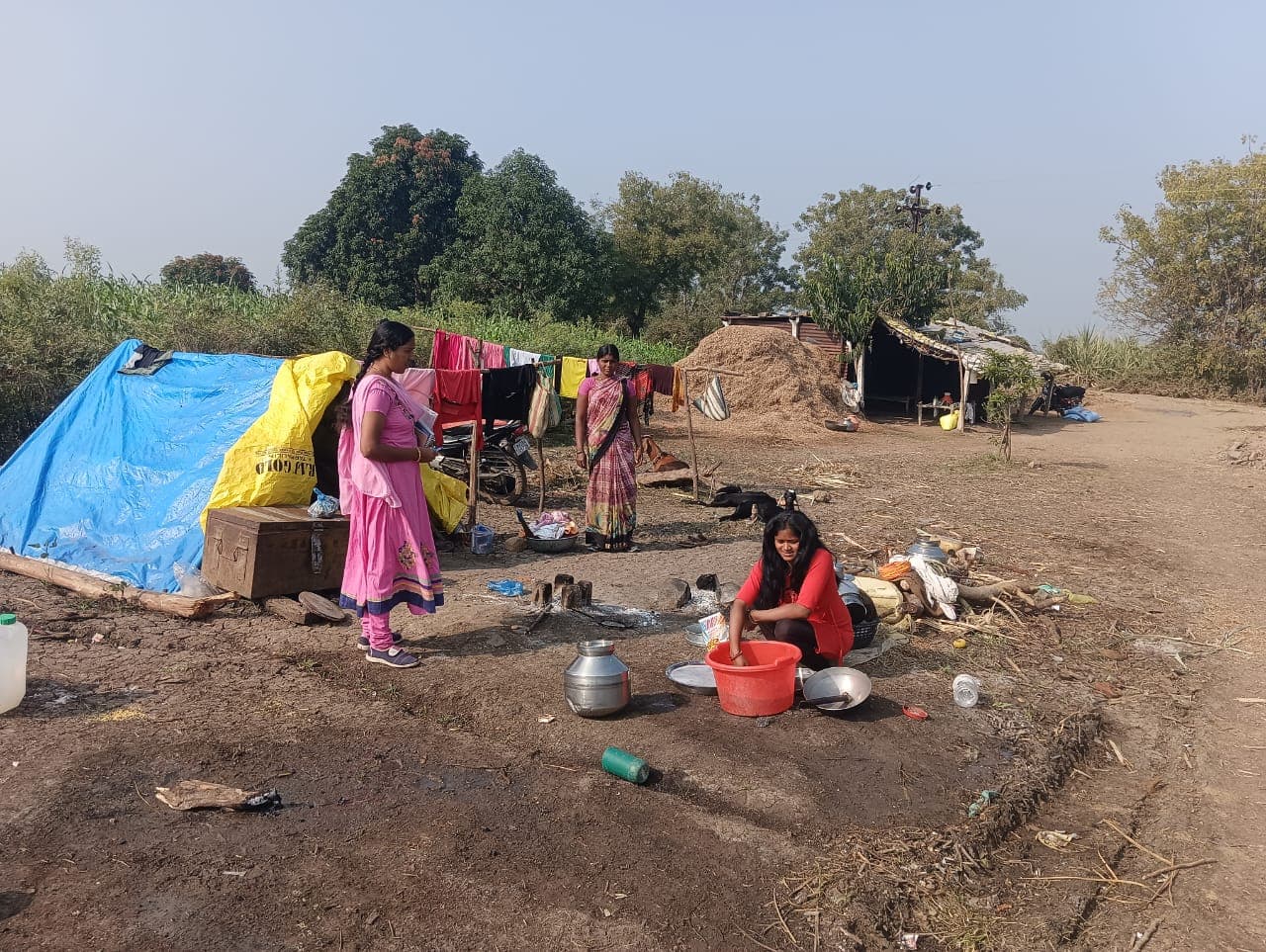
Morning at a roadside harvest camp.
“We do not bring charity to these families. We bring what should never have been taken from them, safety, schooling, and the dignity of fair work.”
The latest from the Journal
Longer reads on the questions behind our work — the women, children and farmers of the sugarcane belt, and the seasons that shape their lives.


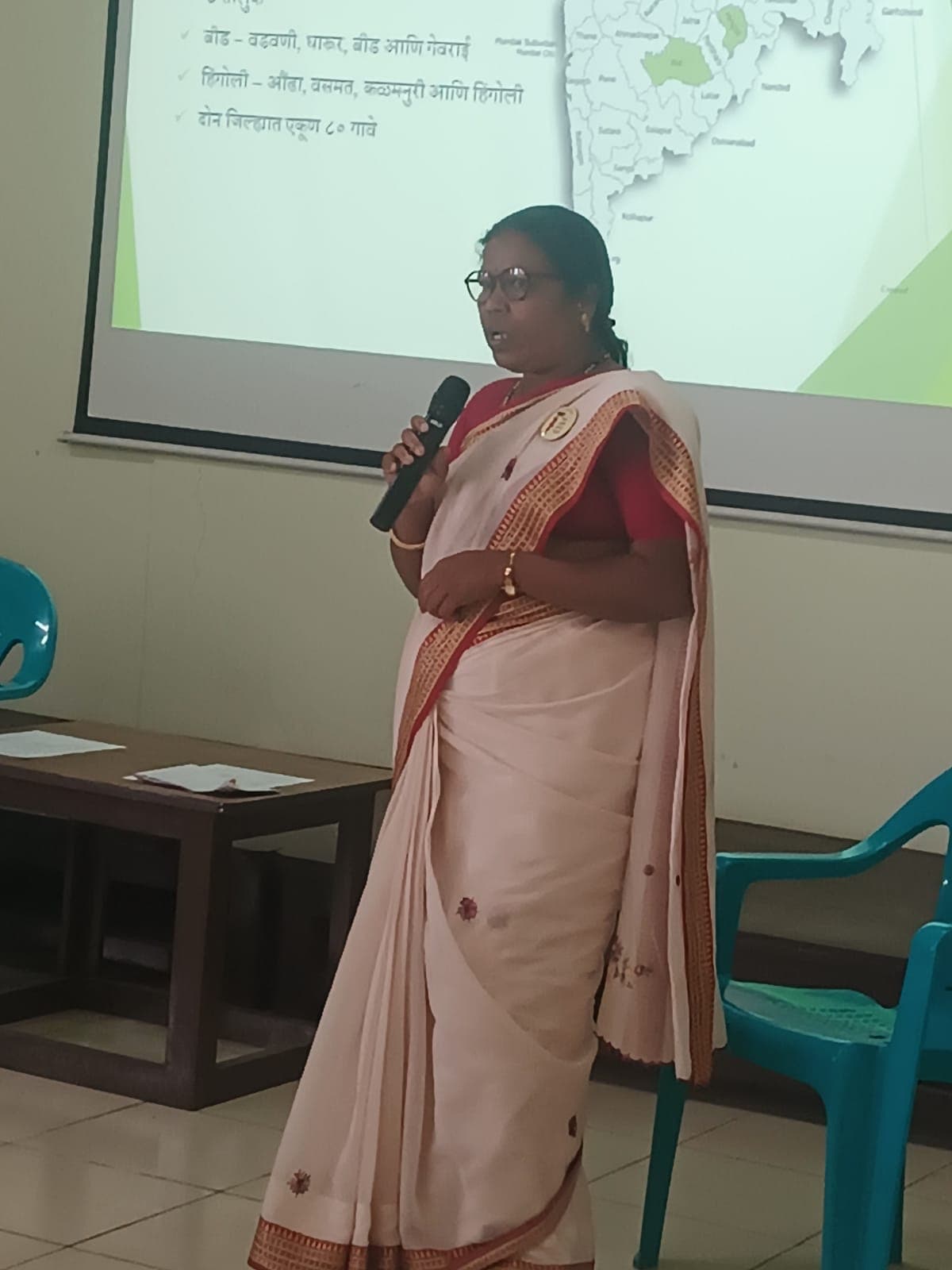
Rooted in Marathwada.
From our base in Parbhani, our teams work across the sugarcane belt of central Maharashtra, the districts families leave, and the districts they travel to for work.
- ParbhaniHead office
- HingoliActive work area
- NandedActive work area
- BeedActive work area
We do not do this alone.
A decade of this work has been built alongside partners on the ground and the public institutions that share the load.
Organisations we work with







Government & public departments

This is how it changes.
Every contribution, of money, time or reach, puts us in front of one more family before the next season begins.